Assessment of hip pain with hip replacement in Almeria
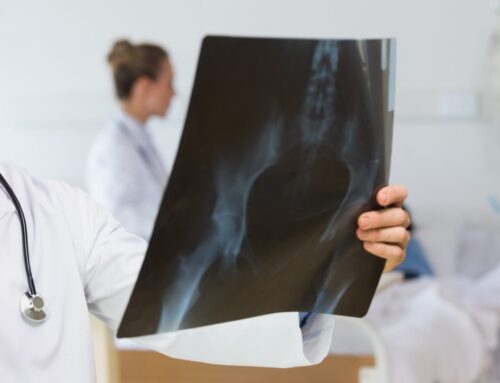
Assessing hip pain is the first step in determining the origin of symptoms and their impact on daily mobility. In this context, hip replacement in Almeria is considered only after a thorough clinical assessment that allows understanding the progression of the condition and ruling out other therapeutic alternatives.
Persistent pain, joint stiffness or progressive functional limitation require a careful analysis to guide treatment appropriately. At this initial stage, patients receive clear information about their condition and the possible management options, with the support of Dr. Claudio Vázquez.
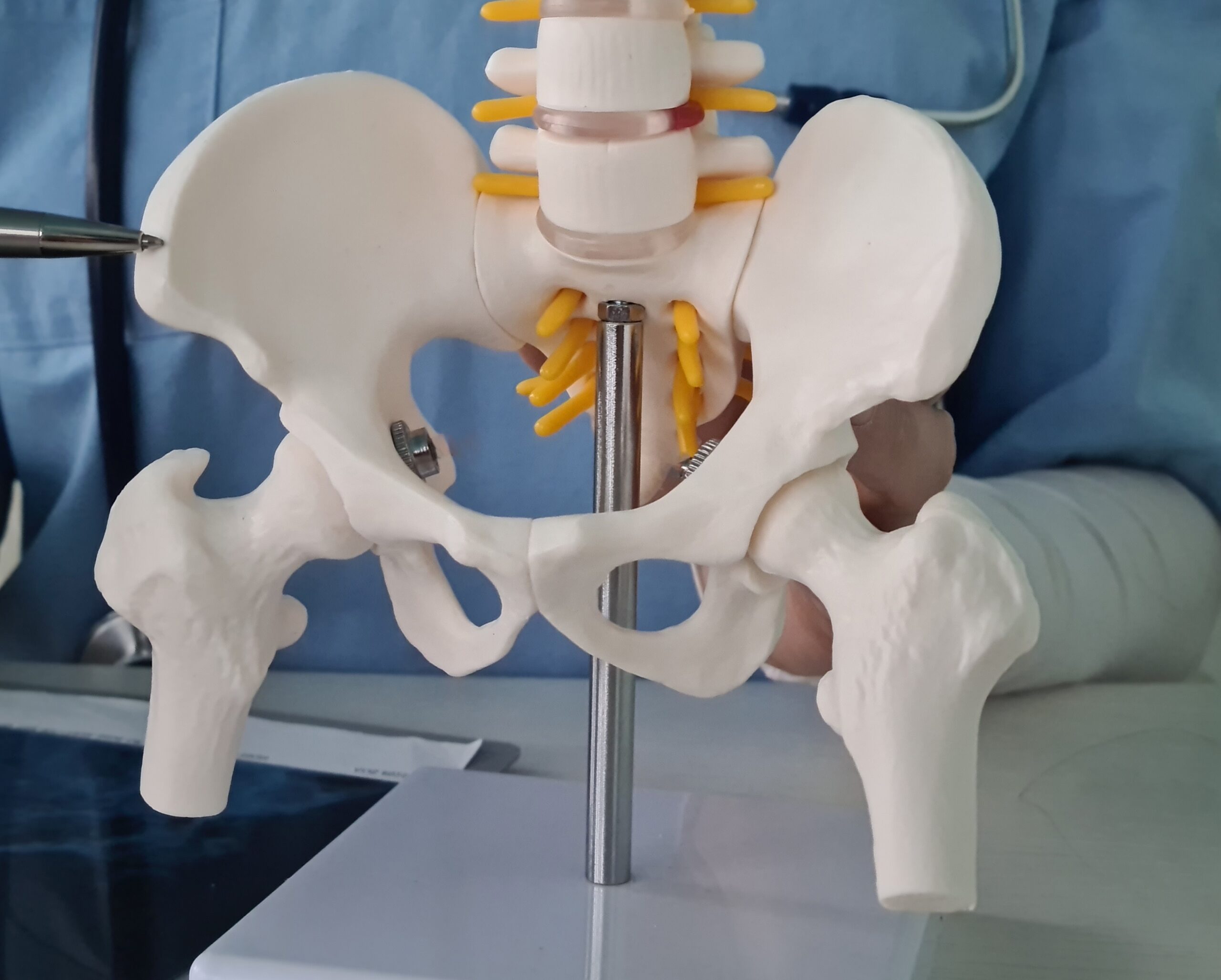
During the consultation, factors such as pain intensity, loss of mobility, difficulty walking or performing daily activities, as well as medical history and lifestyle, are evaluated. The physical examination assesses joint stability, range of motion and weight-bearing response, all of which are key elements in understanding the true condition of the hip.
A proper assessment helps differentiate inflammatory processes, joint overload or more advanced degenerative conditions. This approach avoids premature decisions and allows an individualised treatment plan to be established for each case.
Conservative treatments for hip conditions
Before considering surgical options, there are conservative treatments that can relieve pain and improve joint function. These include physical therapy, controlled use of medication, intra-articular injections and adapted activity guidelines. These measures aim to reduce inflammation, improve mobility and slow the progression of joint deterioration.
In many cases, these approaches allow patients to maintain a good quality of life for long periods, especially when the condition is detected in early or moderate stages. Medical follow-up is essential to adjust treatment according to the patient’s progress and to assess its real effectiveness in daily life.
When these alternatives fail to control pain or functional limitation, the specialist may consider more advanced scenarios. In this context, the indication for hip replacement in Almeria is analysed as part of a comprehensive medical process, never as an isolated decision.
When is hip replacement in Almeria indicated
Hip replacement is generally considered in cases of advanced osteoarthritis, significant joint deformity or disabling pain that does not respond to conservative treatments. In such situations, hip replacement in Almeria is evaluated once it is confirmed that the joint has lost much of its function and that pain consistently interferes with daily activities.
To reach this conclusion, clinical assessments are supported by imaging tests such as X-rays or MRI scans, which provide information about cartilage condition, bone structure and joint alignment. Decisions are made on an individual basis, taking into account age, activity level, patient expectations and overall health status.
It is also important to consider how symptoms affect daily life. Persistent pain at rest, sleep disturbances or significant difficulty performing basic activities such as walking, sitting or standing can indicate that joint deterioration has reached an advanced stage. These functional limitations are carefully assessed, as the goal is not only pain relief but also restoring autonomy and improving overall mobility.
It is essential that patients understand what this type of intervention involves, the realistic treatment goals and the outcomes that can be expected. Proper information supports informed decision-making aligned with personal needs.
Medical follow-up and recovery after hip replacement in Almeria
The process does not end with the surgical indication. Medical follow-up is crucial both before and after considering hip replacement in Almeria, as it helps prepare patients physically and functionally for better recovery. Planning includes recommendations for mobility, muscle strengthening and pain control, always adapted to the clinical situation and individual progression.
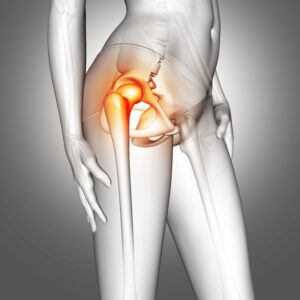 After the procedure, clinical monitoring allows progress to be assessed, potential complications to be detected and rehabilitation guidelines to be adjusted gradually. Recovery is not a uniform process, so individualised follow-up is essential to respect biological healing times and avoid unnecessary overload.
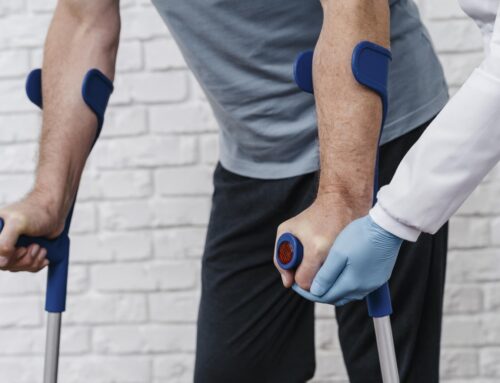
Rehabilitation focuses on restoring mobility, improving joint stability and supporting a safe return to daily activities. Maintaining constant communication with the specialist helps resolve concerns, adapt exercises and assess real progress at each stage.
In this context, medical support after hip replacement in Almeria becomes especially important, as it addresses not only physical recovery but also quality of life in the medium and long term. The process is completed with the care of Dr. Claudio Vázquez, who guides each phase of treatment with a personalised approach based on the patient’s clinical evolution.