Evaluation prior to knee replacement in Andalucia
Before considering any surgical intervention, it is essential to carry out a precise diagnosis that allows the origin of the pain and the degree of joint damage to be properly understood. In this context, knee replacement in Andalucia is only considered when other treatment alternatives have failed to improve symptoms or when the deterioration of the knee significantly limits the patient’s daily life. Therefore, from the first consultation, the patient receives a clear explanation of their clinical situation directly from Dr. Claudio Vázquez.
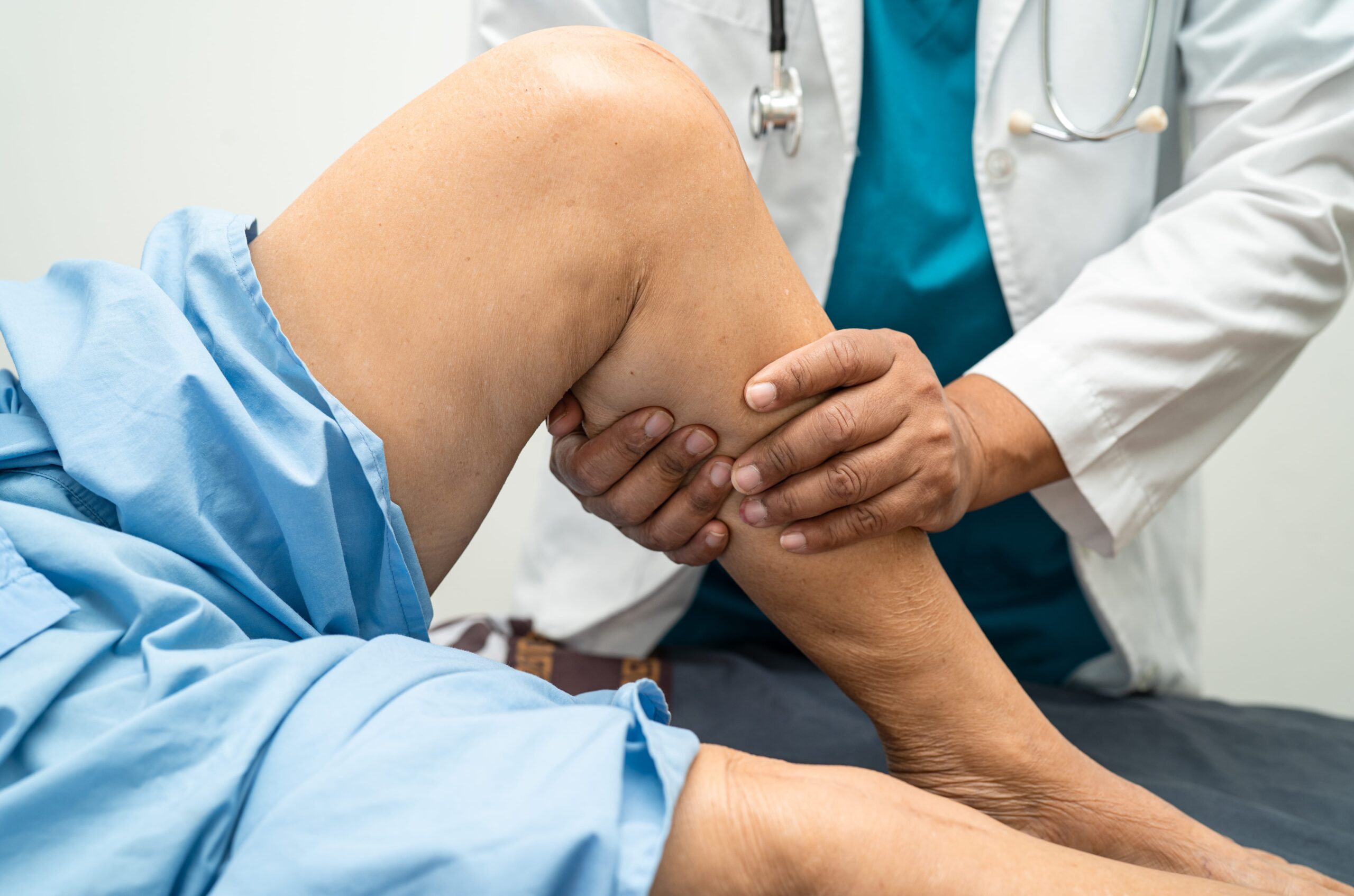
During the initial evaluation, aspects such as pain intensity, the duration of symptoms, functional limitations and the impact on everyday activities such as walking, climbing stairs or standing for long periods are carefully analysed. Medical history, previous injuries and treatments that have already been performed are also reviewed.
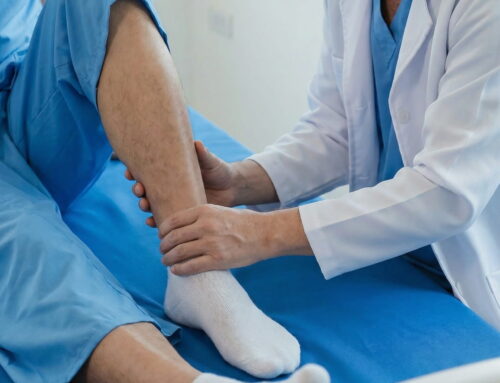
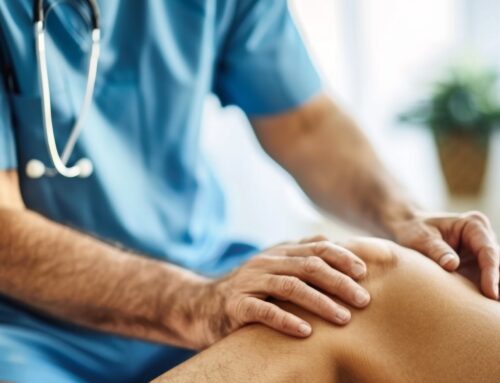
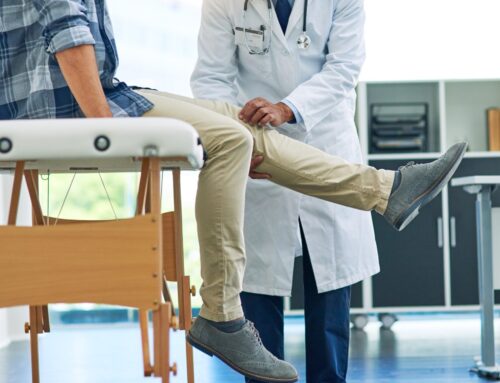
The physical examination allows the specialist to assess joint mobility, knee stability, limb alignment and the presence of inflammatory signs. When necessary, imaging tests such as X-rays or magnetic resonance imaging (MRI) may be requested to confirm the condition of the joint and determine the degree of cartilage wear.
This detailed analysis helps differentiate between mechanical problems that can be treated with conservative measures and situations in which joint damage is more advanced. Only after this comprehensive assessment can it be determined whether surgery represents the most appropriate therapeutic option.
Conditions that may require knee replacement in Andalucia
Progressive degeneration of the knee joint is one of the most common causes of pain and functional limitation in adults. Among the conditions that may lead to considering knee replacement in Andalucia are advanced knee osteoarthritis, certain joint deformities or structural injuries that significantly affect the cartilage and articular surfaces.
In these cases, the progressive deterioration of the joint causes persistent pain, stiffness and difficulty performing basic activities. Over time, conservative treatments such as physiotherapy, medication or joint injections may stop providing the expected relief.
When this occurs, the goal of treatment shifts towards restoring mobility and improving the patient’s quality of life. For this reason, medical evaluation allows the specialist to analyse whether replacing the joint through knee replacement in Andalucia may provide a significant functional improvement.
The decision to propose this intervention is always made on an individual basis, taking into account the patient’s age, level of activity and the real impact the condition has on daily life.
Surgical planning and procedure
Once the surgical indication has been confirmed, the procedure is carefully planned with the aim of restoring joint function and reducing pain. Planning includes analysing imaging tests, evaluating the patient’s general health and selecting the most appropriate surgical technique for each case.
In this context, knee replacement in Andalucia involves replacing the damaged joint surfaces with prosthetic components designed to reproduce the natural movement of the knee. This type of surgery allows deformities to be corrected, improves limb alignment and restores joint stability.
The intervention is performed following strict medical criteria and with detailed planning to minimise risks and support a safe recovery. Throughout the process, the main objective is to restore the functional capacity of the knee and help the patient gradually return to normal daily activities.
Furthermore, the fact that the same specialist performs the initial evaluation and carries out the procedure ensures continuity of care, facilitating a better understanding of the case and a more coherent treatment plan.
Recovery after knee replacement in Andalucia
Recovery represents a fundamental stage in achieving good outcomes after surgery. Following knee replacement in Andalucia, the rehabilitation process focuses on restoring mobility, improving muscle strength and facilitating a progressive return to everyday activities.
During the first weeks, medical follow-up allows the specialist to monitor the evolution of the knee and adapt recommendations according to the patient’s response. Rehabilitation work focuses on regaining range of motion, strengthening the muscles surrounding the joint and improving stability during walking.
As the recovery process progresses, progressive exercises are introduced to improve knee function and support the return to regular activities. Respecting the biological healing times of the tissues is essential to avoid overload and ensure proper recovery.
Medical support during this stage helps resolve doubts, monitor clinical progress and adjust recovery guidelines according to each patient’s needs. If pain or functional limitation is affecting your quality of life, a specialised evaluation can help you understand the available treatment options.
To complete the process, the follow-up carried out by Dr. Claudio Vázquez allows for personalised clinical monitoring, aimed at achieving stable functional recovery and a real improvement in the patient’s quality of life.