Medical evaluation prior to treatment with PRP in Almería
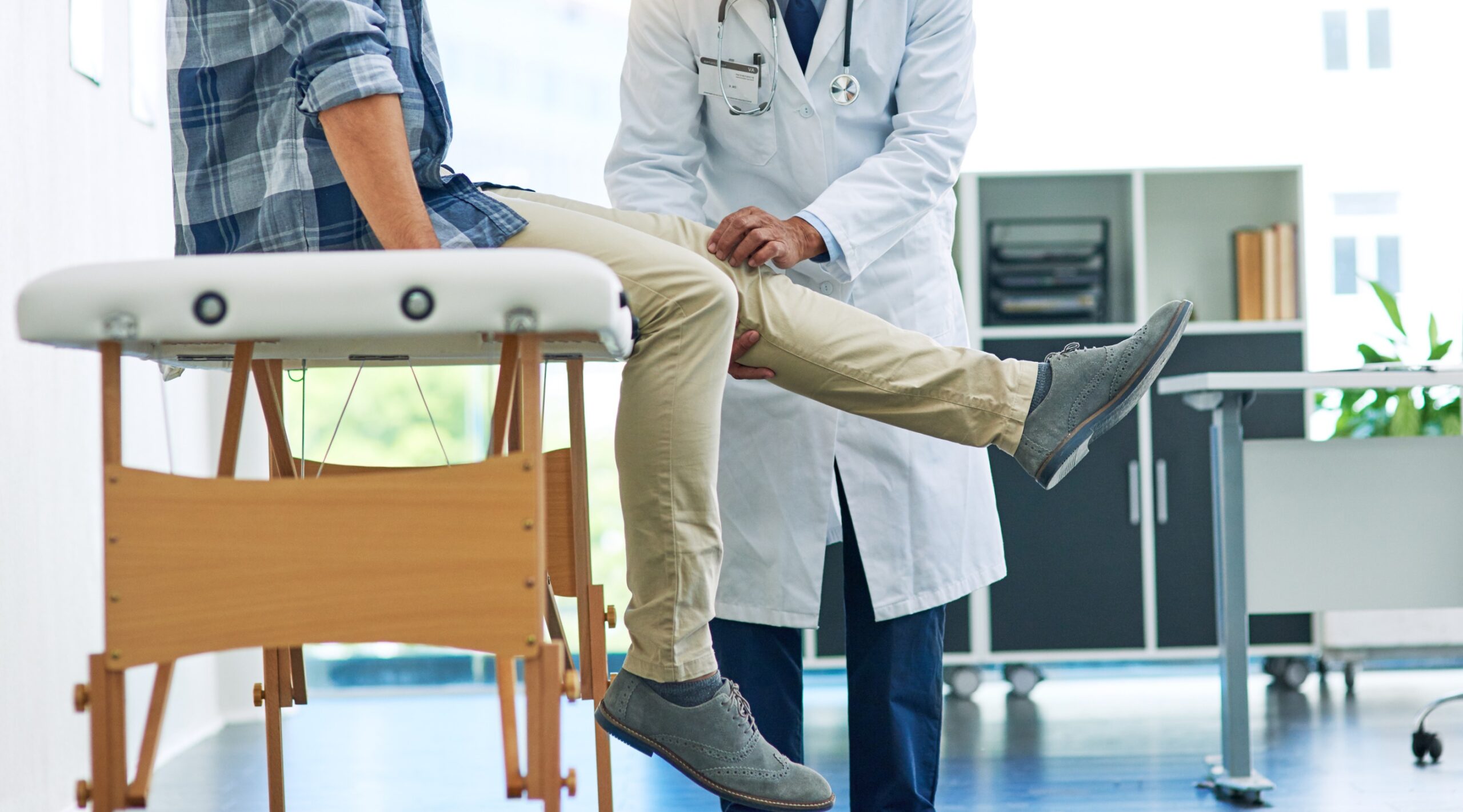
Before considering any treatment, it is essential to carry out a comprehensive clinical evaluation to understand the origin of pain and the actual condition of the affected tissues. In this context, PRP in Almería is always considered as part of an individualized medical approach, never as an automatic solution. The first step is to determine whether the injury, overload, or degenerative process may benefit from this type of treatment within a conservative strategy. From the initial consultation, the patient receives a clear explanation of their clinical situation, with the guidance of Dr. Claudio Vázquez.
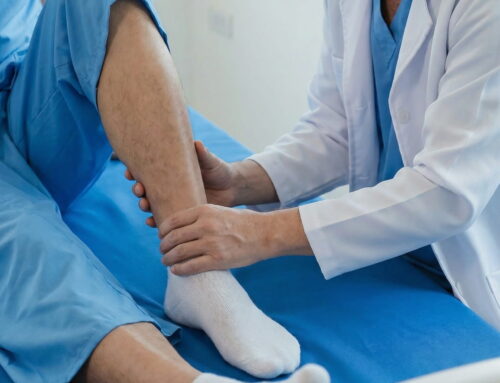
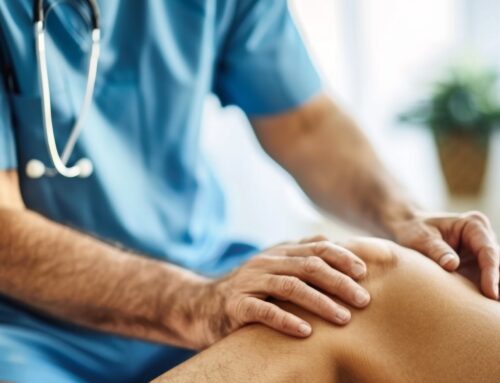
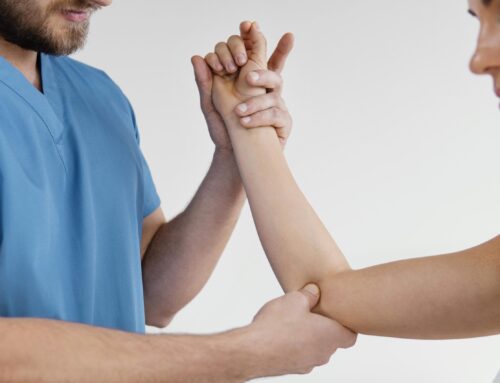
 During the initial assessment, factors such as the duration of symptoms, pain intensity, functional limitation, and impact on daily or sports activities are analyzed. Medical history, previous treatments, and possible associated injuries are also taken into account. Physical examination allows evaluation of mobility, strength, joint stability, and tissue response, all of which are key elements in guiding therapeutic decision-making.
A detailed evaluation helps differentiate between acute conditions, chronic injuries, or situations in which the tissue shows limited recovery capacity. This analysis prevents premature decisions and allows treatment options to be tailored to each case, always prioritizing patient safety and clinical consistency.
When the use of PRP in Almería is considered
The use of PRP is commonly studied in certain tendon, muscle, or joint injuries, particularly when conventional conservative treatment has not provided the expected improvement. Among the most frequent situations are chronic tendinopathies, persistent overload conditions, or degenerative processes in early or moderate stages. In these cases, PRP in Almería may be considered as a complementary tool within a broader therapeutic plan.
It is important to note that not all conditions are suitable for this type of treatment. Indication depends on multiple factors, such as the type of injury, its location, tissue condition, and individual patient characteristics. For this reason, prior medical evaluation is essential to rule out situations in which PRP would not provide a relevant clinical benefit.
In addition, PRP should be understood within the context of a global treatment strategy. In many cases, it is combined with activity guidelines, specific exercises, pain management measures, and medical follow-up, with the aim of promoting a progressive and controlled recovery. Proper patient selection is one of the most important factors in achieving outcomes that align with realistic clinical expectations.
Treatment application and clinical follow-up
When the indication is considered appropriate, the procedure is integrated into a carefully planned medical protocol. In this context, PRP in Almería is applied in a controlled environment and forms part of a process that includes pre- and post-treatment guidelines aimed at protecting the treated area and supporting tissue recovery. At this stage, clinical follow-up plays a fundamental role in assessing treatment response and adjusting recommendations according to the patient’s evolution.
After the application, the patient receives specific guidance regarding physical activity, relative rest, and gradual return to daily routines. Medical monitoring helps identify changes in symptoms, address concerns, and adapt the therapeutic plan based on individual response. Since not all patients evolve in the same way, personalized follow-up is essential to avoid unnecessary overload and ensure a safe progression.
Depending on clinical evolution, the patient’s condition is periodically reviewed in order to adjust the therapeutic plan if needed. This flexible approach allows for appropriate process control while always prioritizing functional recovery and quality of life.
Recovery and progressive control with PRP in Almería
Recovery after PRP treatment should not be viewed as an isolated process, but rather as part of a therapeutic strategy aimed at improving function and facilitating progressive tissue adaptation to functional load. This approach addresses not only pain relief but also the restoration of movement and stability, with the goal of supporting sustained functional improvement over time.
 Functional recovery is supported by improved mobility, progressive strengthening, and correction of factors that may have contributed to the initial injury. Maintaining clear and ongoing communication with the specialist helps patients understand their recovery process and actively participate in it, avoiding unrealistic expectations.
Throughout follow-up, medical assessment helps guide the next steps of treatment within a responsible approach that prioritizes safety and clinical judgment. The process is completed with the follow-up of Dr. Claudio Vázquez, who adapts each phase of treatment to the specific situation of each patient, integrating PRP in Almería into a therapeutic strategy aimed at achieving a stable and long-lasting recovery.