When to see a sport traumatologist in Almeria for a hand or wrist injury
The hands and wrists are involved in numerous sporting movements, from holding a racket or a ball to maintaining balance during certain exercises. As a result, discomfort in these areas can affect technique, strength and the ability to perform everyday movements. Consulting a sport traumatologist in Almeria makes it possible to investigate the cause of the problem and assess which measures may help restore functionality.
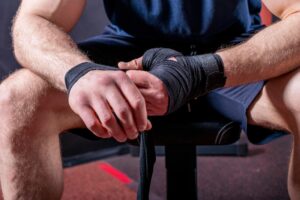 Dr. Claudio Vázquez, a specialist in Orthopaedic Surgery and Traumatology, treats various musculoskeletal conditions, including those affecting the hand and wrist. When discomfort develops during sports activities, it is important to understand how it started, whether it is related to an impact or repetitive movement, and which activities cause the greatest difficulty.
Not all injuries present the same symptoms. Some cause localised pain or swelling, while others may lead to tingling, loss of strength or difficulty moving certain fingers. There are also conditions that develop gradually and initially have little impact on physical activity. However, if the discomfort persists or begins to restrict movement, it is advisable to investigate its cause.
When pain occurs while holding objects, putting weight on the hand or performing repetitive movements, a specialist assessment can help determine which structures may be affected. Seeing a sport traumatologist in Almeria makes it possible to analyse these symptoms and establish whether further tests are needed to complete the diagnosis.
What injuries can affect the hand and wrist?
Conditions that can affect these areas include ganglion cysts, carpal tunnel syndrome and trigger finger. Although they have different characteristics, all these conditions can cause discomfort or limitations that interfere with certain activities. A sport traumatologist in Almeria can help assess these symptoms and determine what needs to be investigated.
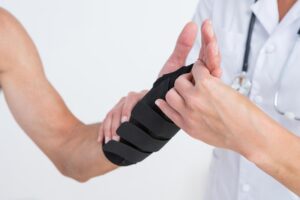 Ganglion cysts are fluid-filled lumps that usually develop near a joint or tendon. They may appear as small bumps and, depending on their location, cause pain or make certain movements more difficult. In carpal tunnel syndrome, pressure on the median nerve can cause tingling, numbness and weakness in the hand, particularly in certain fingers.
Trigger finger, meanwhile, affects the movement of the flexor tendons and can cause one finger to temporarily lock when trying to bend or straighten it. This limitation can be particularly uncomfortable during activities that require precision, coordination or grip strength.
To distinguish between these conditions, it is necessary to assess the symptoms and carry out a clinical examination. Depending on the characteristics of the problem, tests such as X-rays, MRI scans or ultrasound scans may be used. If nerve involvement is suspected, nerve conduction studies may also be recommended to provide further information. An assessment by a sport traumatologist in Almeria makes it possible to interpret these findings alongside each patient’s symptoms and limitations.
How to restore functionality with a sport traumatologist in Almeria
Once the possible cause of the discomfort has been identified, the next step is to assess the available treatment options. Not all injuries require the same approach: some can be managed with conservative measures, while others may require specific procedures when medically indicated. The decision depends on the condition, how it develops and the limitations experienced by each patient.
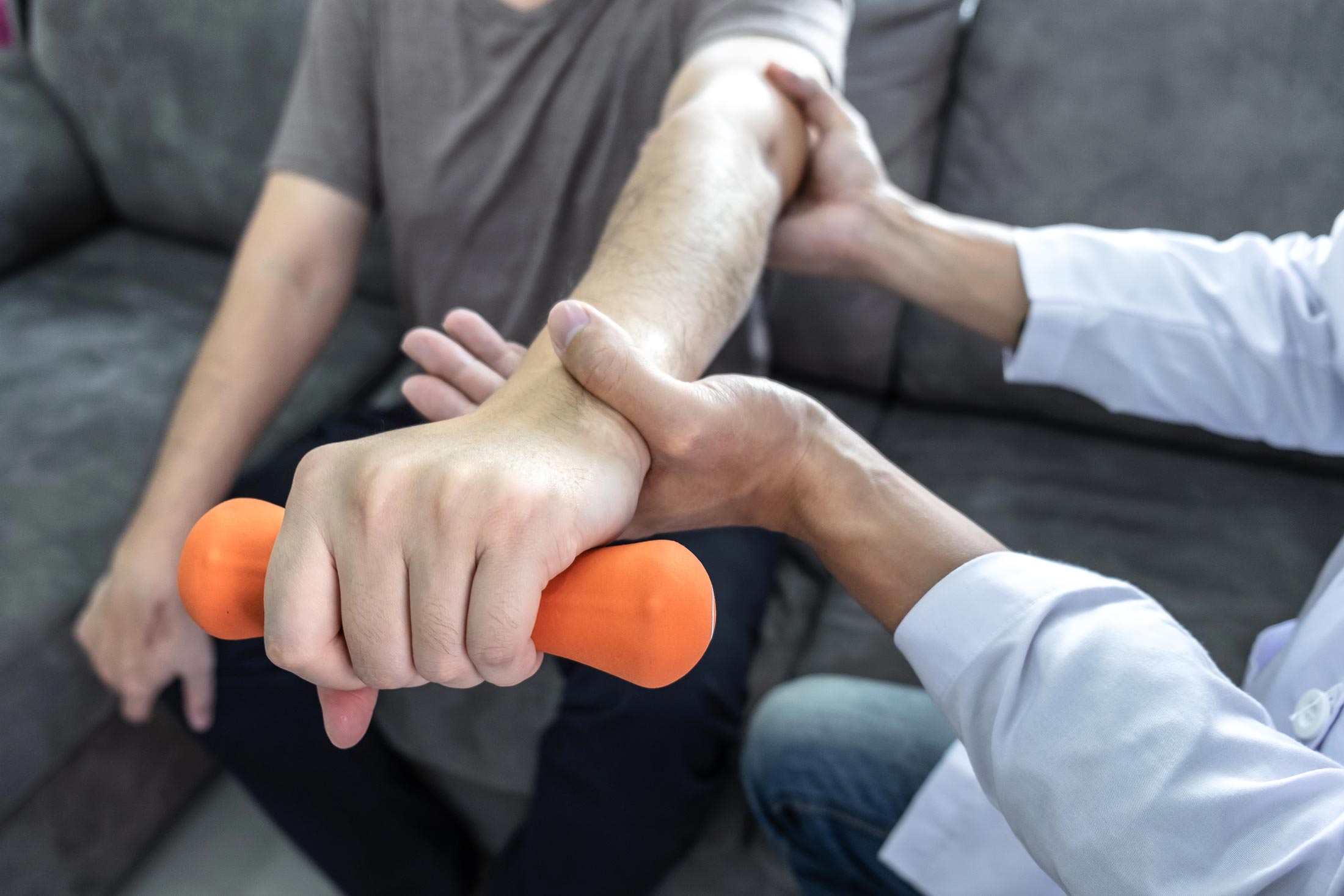
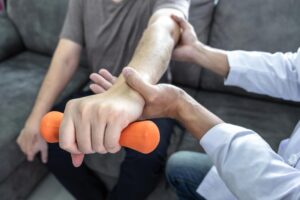 During this process, a sport traumatologist in Almeria can assess how the injury affects hand mobility, sensation and strength. These factors are particularly relevant for people who take part in sports that involve holding objects, controlling equipment or supporting their weight on their upper limbs. The aim is to restore the function of the affected area and determine when it is appropriate to return to normal activities.
Returning to sport should take into account how the symptoms develop and whether the necessary movements can be performed without significant discomfort. Putting strain on the hand or wrist while pain is still present may hinder recovery, so physical demands should be adapted to each situation. Likewise, if new symptoms appear or functional limitations increase, the initial assessment may need to be reviewed.
Ultimately, hand and wrist discomfort should not be ignored when it affects training or everyday activities. Investigating its cause makes it possible to understand the available options and establish an appropriate approach. Dr. Claudio Vázquez can provide guidance on the assessment of these conditions as part of his speciality in Orthopaedic Surgery and Traumatology.