Initial assessment and diagnosis with traumatologist in Almeria for hip injuries
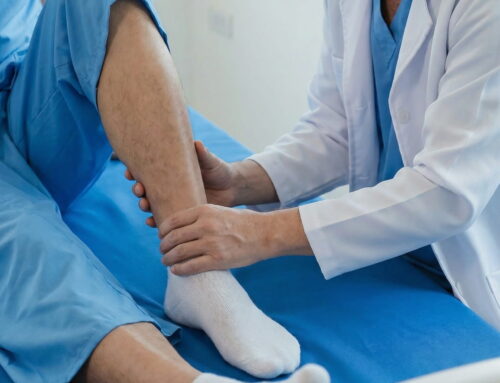
A precise assessment is the first step in understanding any hip injury, especially in active individuals or athletes. A traumatologist in Almeria for hip injuries such as Dr. Claudio Vázquez performs a thorough clinical evaluation aimed at identifying the source of pain, the injury mechanism, and the extent of the structures involved. The hip is a deep and complex joint, so an accurate diagnosis is essential for guiding treatment safely and effectively.
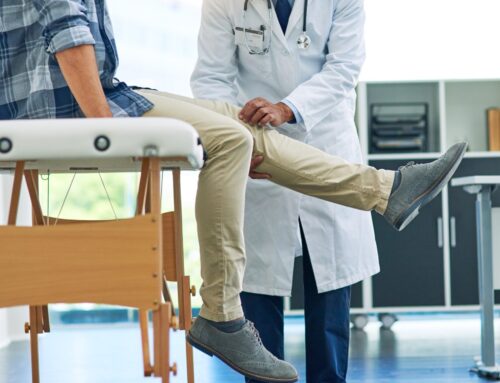
During the initial examination, key aspects such as mobility, pain during rotation, joint range, and possible movement limitations are analysed. Signs of inflammation, muscular overload, or postural compensations are also assessed, particularly common in athletes who perform repetitive or impact-related movements. This stage provides an initial clinical impression and helps locate the exact point where discomfort originates.
With the information obtained from the physical examination, it becomes possible to determine the true origin of the pain. In many cases, symptoms may be mistaken for lumbar conditions or adjacent muscular issues, so a detailed evaluation prevents inaccurate diagnoses and ineffective treatments.
Based on this assessment, a tailored strategy is established according to each person’s physical condition, sporting level, and individual goals. Having a traumatologist in Almeria for hip injuries who understands hip biomechanics and the demands of athletic movement is essential for designing a personalised recovery plan.
Treatments for labral tears, femoroacetabular impingement and tendinopathies
Hip injuries in young adults and athletes encompass a wide range of conditions requiring specific treatment. Labral tears are common in rotational movements, sudden changes of direction or repetitive actions. Conservative management includes relative rest, pain control, and mobility programmes designed to protect the joint without losing functional range. Recovering smooth labral movement is key to preventing mechanical blocks or discomfort during activity.
In the case of femoroacetabular impingement, an alteration in hip shape causes pain when flexing or rotating the joint. The initial goal is to reduce irritation and improve alignment, stability, and muscular balance. Specialised physiotherapy and motor-control exercises play a crucial role in symptom improvement, allowing a gradual return to activity.
Gluteal tendinopathies are common in runners or people exposed to impact activities. These cases benefit from techniques aimed at reducing inflammation and improving tissue quality, combining strength work, stretching, and movement-pattern correction. Progressive strengthening exercises help restore stability and reduce tension on the affected structures.
Ongoing assessment by a traumatologist in Almeria for hip injuries allows treatment adjustments according to progression and helps prevent relapses during early recovery stages.
As the patient improves, the plan progresses toward functional exercises that integrate stability, control, and endurance, essential for restoring confidence in the joint and facilitating a safe return to sport.
Diagnostic imaging and therapeutic planning with traumatologist in Almeria for hip injuries
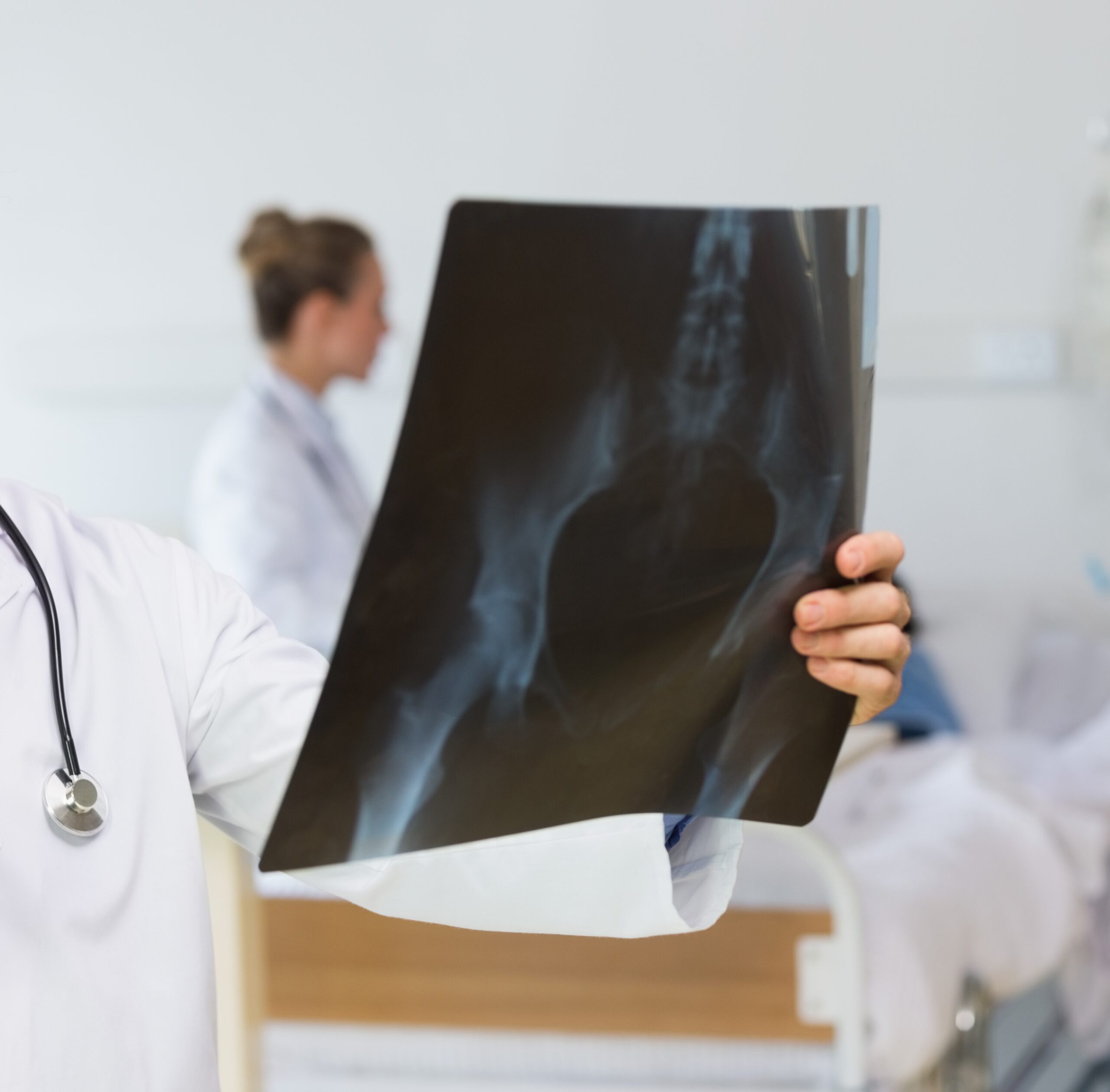
When the clinical examination suggests a structural injury, imaging tests become a key tool. X-rays, MRI scans, and ultrasound are requested only when they provide relevant information to confirm the diagnosis or rule out other conditions. These studies allow precise visualisation of the labrum, potential bony impingements, and the condition of surrounding soft tissues.

After analysing the results, a treatment plan is defined based on the individual’s activity level and functional goals. This approach allows for appropriate progression guidelines and ensures that each treatment phase evolves without added risks. Combining therapeutic exercise, postural education, and strategies to reduce overload contributes to improving mobility and joint control.
For this reason, a traumatologist in Almeria for hip injuries ensures appropriate clinical follow-up, adjusting guidelines as recovery progresses and addressing any questions that arise during the process.
For athletes, planning includes specific phases aimed at regaining strength, power, and stability, integrating exercises that simulate sport-specific movements. This approach promotes a safe return to training and minimises the risk of recurrence.
Before returning to full activity, tolerance to exercise, symmetrical strength, pain-free mobility and joint stability are assessed to ensure a safe and gradual return.
The support of a traumatologist in Almeria for hip injuries facilitates complete recovery and reduces the risk of chronic hip pain.
To complete the process, the patient is supported by Dr. Claudio Vázquez, who supervises each treatment phase and adapts the guidelines to the specific needs of every case.